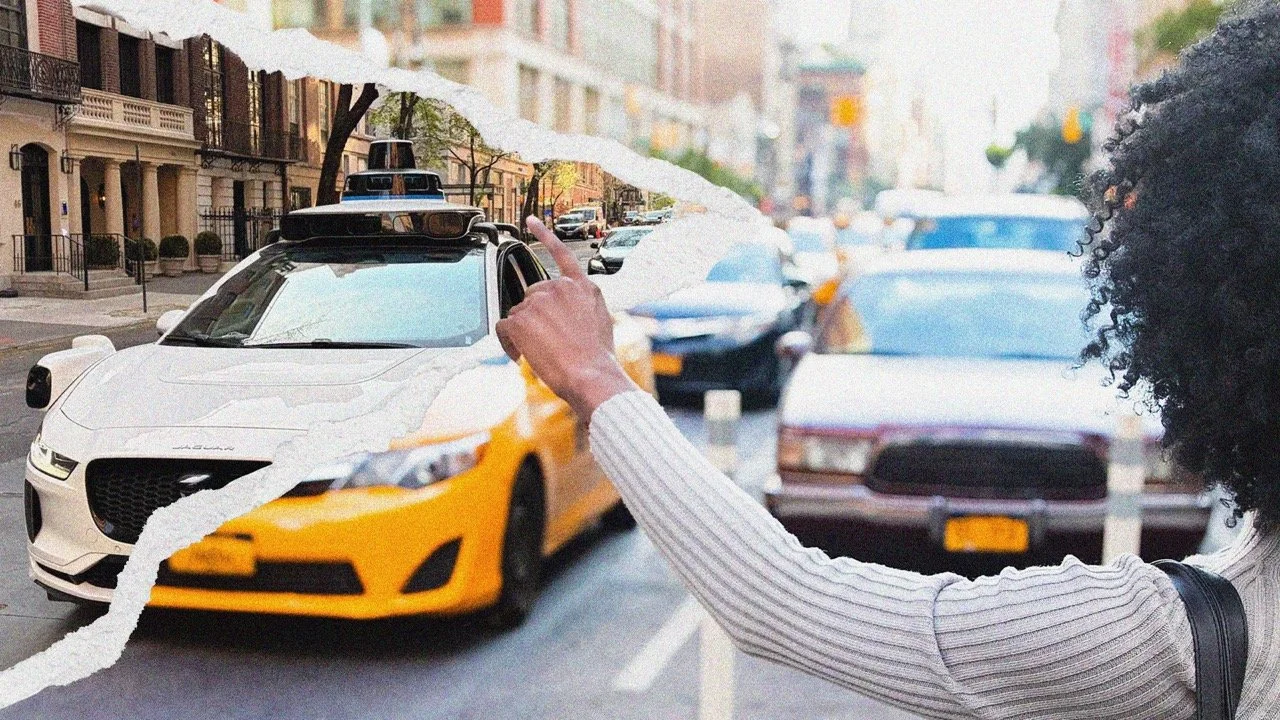
Robotaxis in NYC
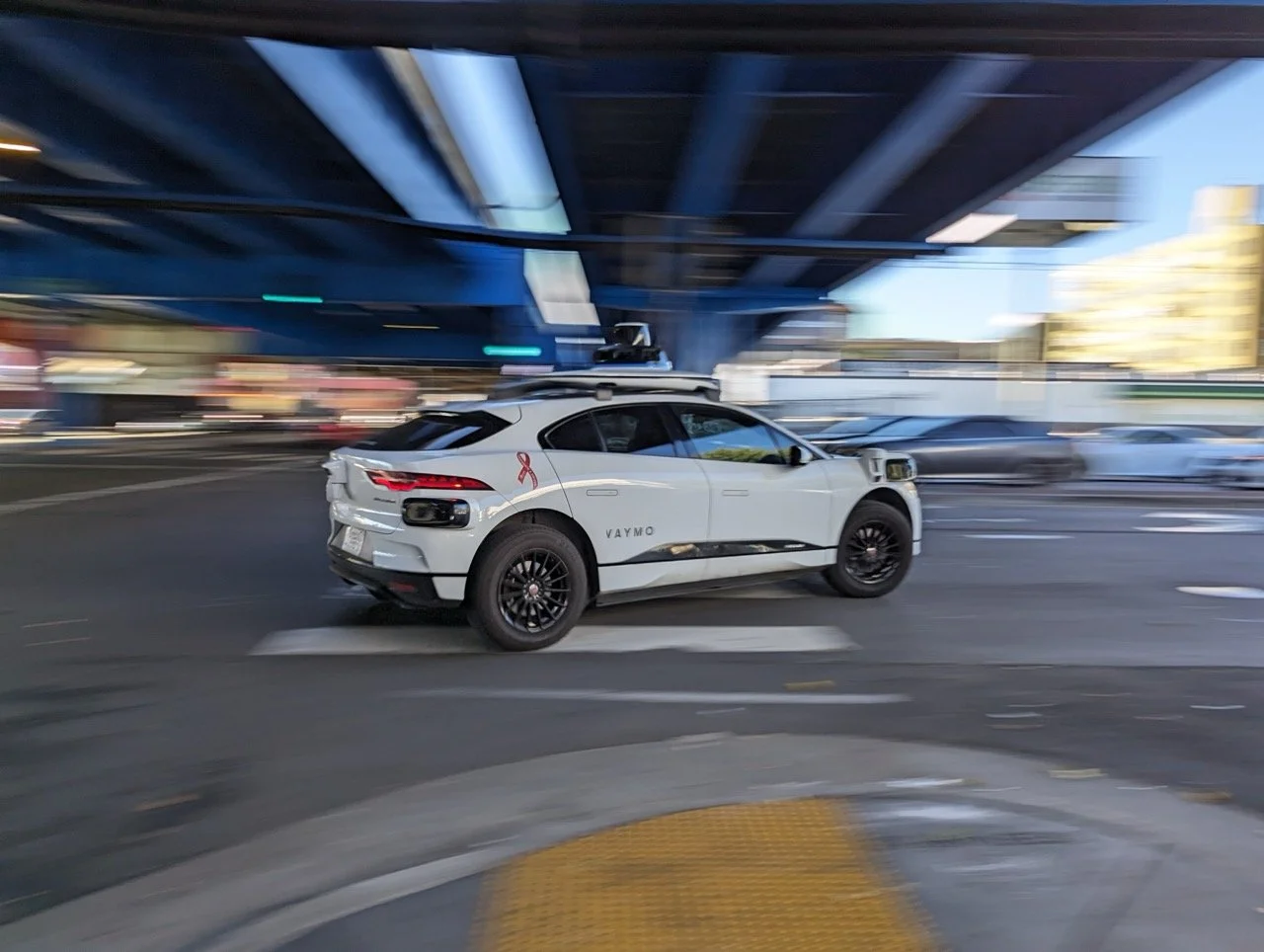
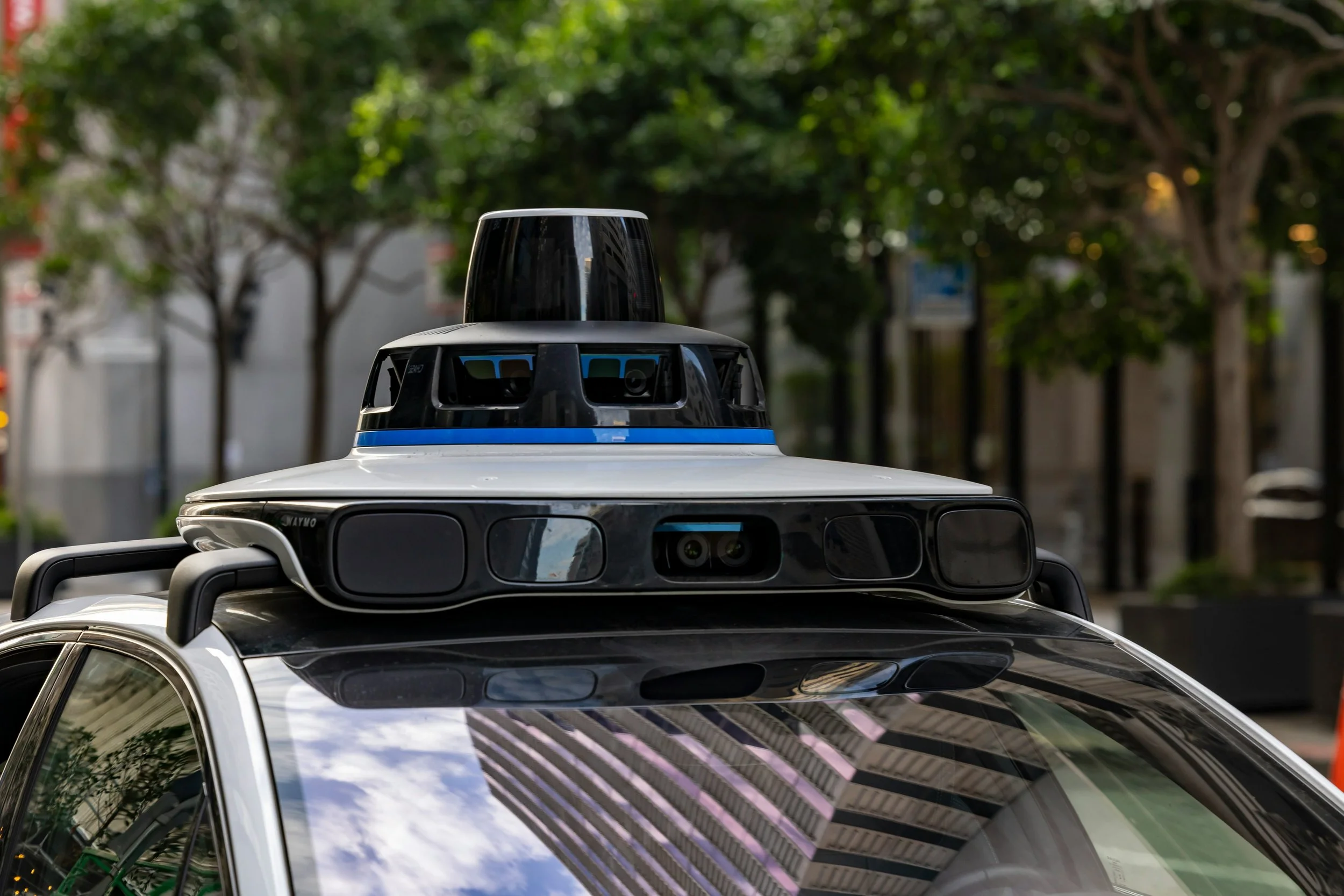
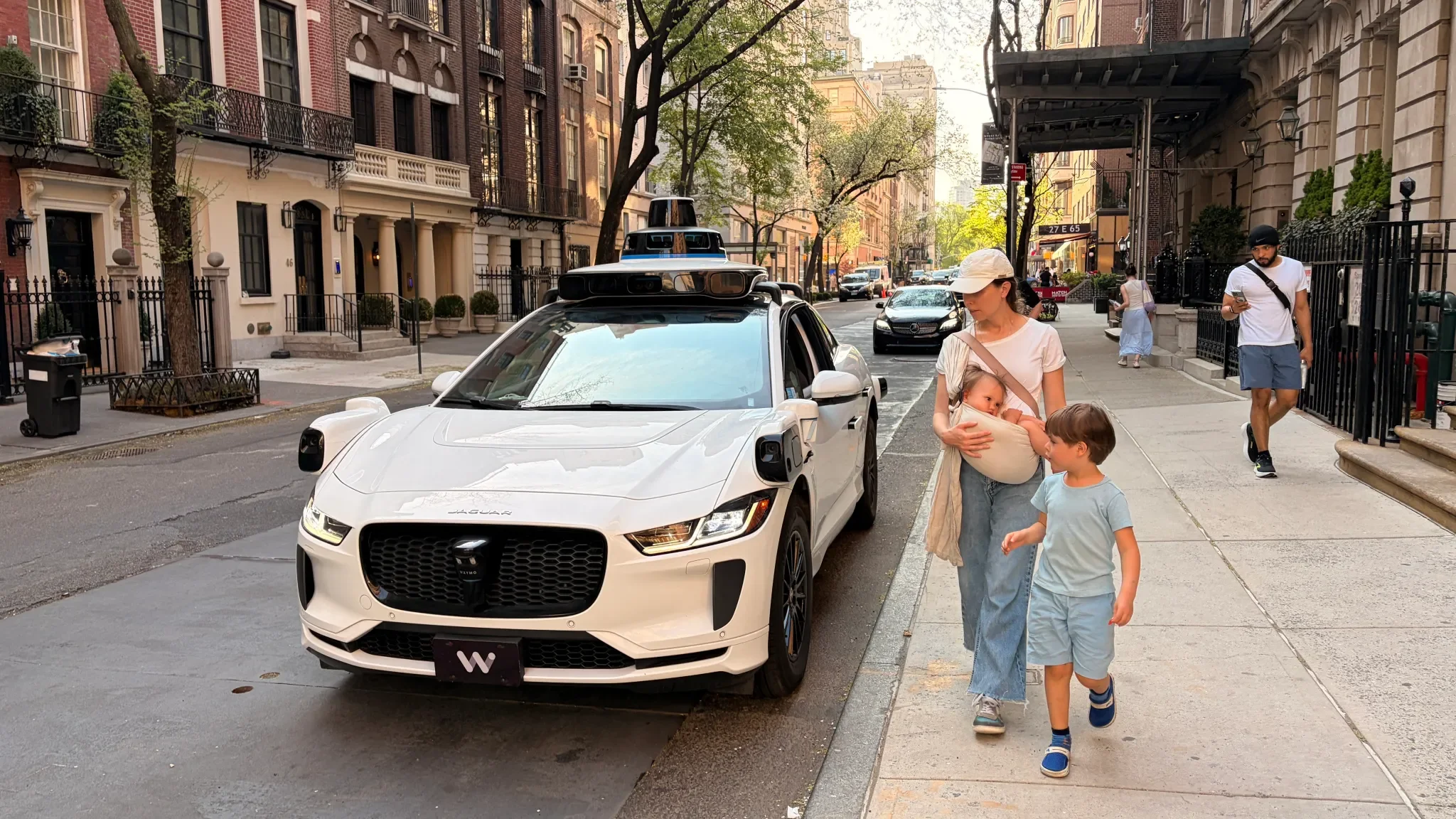
New York is a city where most people walk, take the subway, or ride a bus. While there is still work to do, we have made progress to reduce car dependence, reallocate curb space, and make streets safer. Robotaxis come with serious unanswered questions around vehicle miles traveled (VMT) and curb impacts which are essential to address.
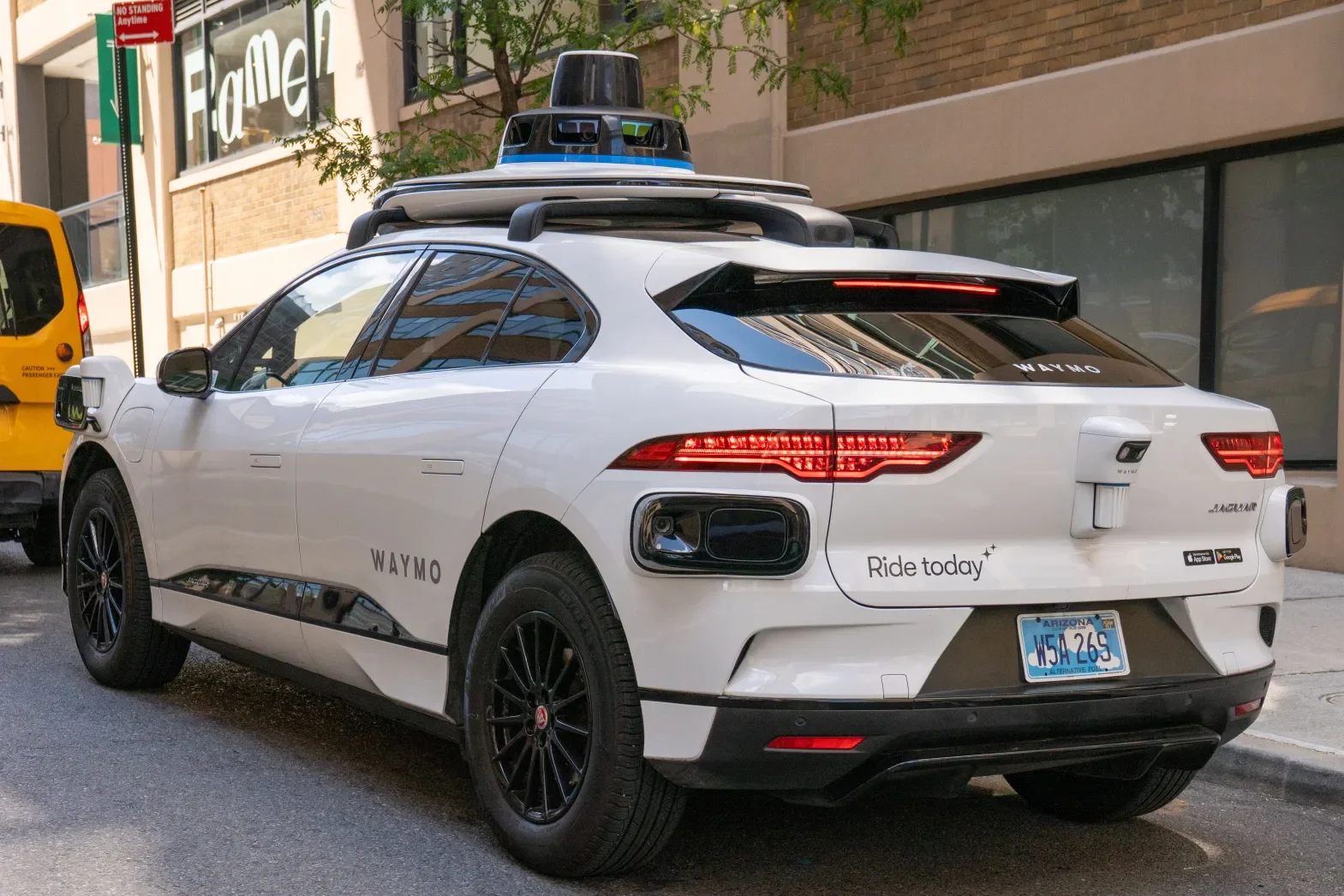
Robotaxis — autonomous for-hire vehicles — are launching in cities across the globe. In New York City, Waymo (one of the most prolific robotaxi companies, owned by Google’s parent company Alphabet) had a test permit to operate with a driver in New York City that expired in March 2026.
State legislation, S344/A4910, is currently working its way through Albany and would legalize autonomous vehicles (AVs) across New York State and allow them to operate without a driver. Under the current bill, New York City would be allowed to set its own rules on robotaxis.
However, we believe we must ask the base question: do robotaxis belong in New York City?
New York is a city where most people walk, take the subway, or ride a bus. While there is still work to do, we have made progress to reduce car dependence and reallocate curb space. Robotaxis come with serious unanswered questions around vehicle miles traveled (VMT) and curb impacts which are essential to address.
Robotaxis could substantially increase our vehicle miles traveled.
Robotaxis could pull riders away from transit.
Robotaxis could create even more chaos and competition at the curb.
We seriously question whether robotaxis belong on New York City streets. Our report, “How Would For-Hire Autonomous Vehicles Impact New York City?” in collaboration with the Sam Schwartz Transportation Research Program at Hunter College found that, compared to for-hire vehicle drivers, robotaxis would likely increase vehicle miles traveled and congestion.
We believe companies bear the responsibility to demonstrate, transparently, rigorously, and enduringly, that their technology will make this city more livable, not less.
New York City watched Uber and Lyft reshape its streets with minimal regulation and real consequences. We can't afford to repeat that. The time to shape this conversation is before decisions are made and that time is now.
The decisions being made right now will shape NYC’s streets for decades.
Stay informed as this conversation develops.